Common Mistakes to Avoid at Small Italian Heritage Sites
Small Italian heritage sites rarely have ticket booths, laminated floor plans, or staff waiting at every door. A Romanesque chapel behind a bakery, a cloister entered through a parish office, a walled garden attached to a villa: these places are often looked after by volunteers, parishioners, or a family who has known the building for decades. Most mistakes come from treating them like scaled-down museums. They are not. A little preparation and restraint go a long way, and the custodian will notice.
Assuming Every Site Keeps Regular Museum Hours
Large museums can post daily opening times and employ people to enforce them. Small sites cannot. Opening may depend on a volunteer’s availability, the liturgical calendar, restoration work, or the season. A village church might open for a few hours in the morning and again in the late afternoon, with a long closed period around lunch. A private garden may open only when a gardener is present.
Check more than one source before you travel: the local parish, commune, or heritage group; a tourist office; and recent visitor notes. If a phone number is posted, use it. Treat “usually open” as a hope, not a promise. Build a buffer into your day and do not arrive ten minutes before closing expecting a full tour. If the door is locked, do not rattle the handle or slip through a side entrance. Look for a notice with contact details, and return another time. If a service or funeral is underway, wait outside or come back later.
Even a published timetable can bend. A small chapel may close during a wedding, a cloister may be shut while volunteers clean after a feast day, and a garden may open late because the gardener is waiting for rain to pass. If you arrive and someone is sweeping the steps or setting out chairs, ask whether it is a convenient time. They may say yes but ask you to stay in one part of the building. A short, quiet visit is better than a long intrusion.
Treating Churches and Chapels as Sightseeing Stops
Many small heritage sites are still active places of worship. Dress modestly — covered shoulders and knees are a safe standard — and remove hats inside. Lower your voice. Do not walk in front of the altar while someone is praying, and do not treat pews as picnic benches. If a service begins, sit quietly at the back or leave; do not continue your visit as though the congregation is part of the scenery.
Photography during worship deserves special caution. Ask first, and accept a no without argument. Keep children close, and do not let them touch statues, vestments, or votive candles. Roped-off areas are not suggestions. A simple Buongiorno and Grazie will carry you further than a long explanation in English. If a volunteer offers information, listen; they may be telling you which part of the floor is unsafe or which chapel is closed.
Remember that a small church is often the community’s living room for baptisms, funerals, and local feast days. If a notice says Silenzio or Non entrare, obey it. If someone is arranging flowers for a procession, step aside. Patience and a quiet greeting often earn a more generous welcome than a hurried tour.
Ignoring the Photography Rules — or Assuming There Are None
Photography is one of the most common friction points. Flash can damage pigments, textiles, and old wood; tripods block narrow passages; drones disturb both visitors and neighbours. Rules vary from site to site, so look for signs at the entrance. If none are visible, ask. In churches especially, ask before taking photographs at all. A courteous question is rarely refused, and a refusal is easier to accept when you have not already raised your camera.
Useful habits:
- Turn off the flash and, where possible, the shutter sound.
- Keep bags and tripods clear of walls, paintings, and processional routes.
- Do not move objects or climb onto furniture for a better angle.
- Do not photograph worshippers, volunteers, or gardeners without permission.
- If a custodian says no, put the camera away immediately.
Commercial or editorial photography usually needs permission in advance; do not assume that a personal visit grants it. Do not post close-up images of identifiable people without consent, and do not test a crossed-out camera sign with a quick phone snapshot. Ask where photography is permitted; sometimes the answer is “the cloister yes, the chapel no.” A photograph is not worth a scratched carving or a distressed volunteer.
Touching Stone, Walls, and Carvings
Stone feels permanent, but centuries-old surfaces are fragile. Hands leave oils and salts that can darken and erode carvings, inscriptions, and fresco edges. Repeated leaning wears away corners; rings and bags catch on projections. Do not trace letters with a finger, rub brass plaques to read them, sit on ancient steps, or climb on low walls for a photograph. Keep your distance from frescoed interiors, where even breath and touch can add up over time.
Do not pick at loose mortar, move fallen stones, or “help” by scraping moss. If a stone is loose, tell the custodian rather than putting it in your pocket. Do not wedge coins into cracks or leave them on ledges; it is not a charming local tradition, and it can stain stone. Children do best with hands in pockets or holding an adult’s hand. If you want a closer look at a detail, ask, or use your camera’s zoom from a respectful distance.
Weather matters too. Wet stone and old steps can be slippery, so do not steady yourself by gripping a fragile doorframe or frescoed wall. Use handrails where provided. If a path is roped off because of restoration, respect the barrier even if it looks easy to step around. The small inconvenience protects work that may take months to repair.
Cutting Through Gardens and Courtyards
Historic gardens are not parks with a few old walls. Paths are laid out for feet, not shortcuts, and the soil in beds may be shallow or compacted. Stay on the gravel or stone path. Do not step into flower beds for a photograph, pick herbs, climb trees, or lean on an old pergola. Benches may be fragile; if a seat looks worn or has a notice, leave it alone. If a path is closed, do not cross the barrier to see where it leads.
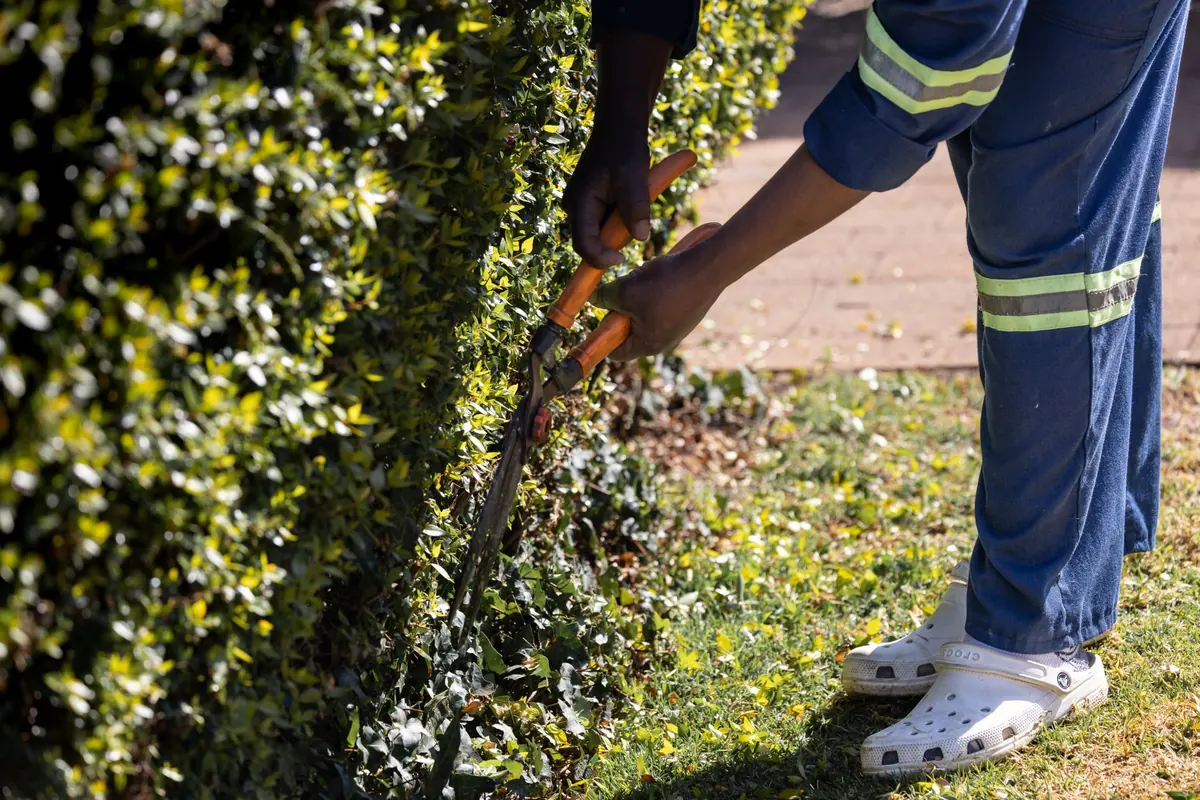
Picnics belong on designated benches or outside the gate, not on a lawn that may be under restoration. Carry your waste out; do not use hedges as a bin. Ask before bringing a dog, and never let it dig near plantings. Keep bicycles and large strollers out of narrow courtyards unless a sign permits them. If a gardener is working, give them space and ask before entering a section they are tending. Quiet, slow movement protects both the planting and the atmosphere.
Water is another common temptation. Do not use a historic fountain for washing hands, filling bottles, or cooling feet unless a sign explicitly allows it. Many fountains are fed by small, delicate systems and are part of the garden’s design. If you need water, ask the custodian or use a public tap outside. Keep to the shade and edges; a garden is often at its most fragile where visitors are most tempted to step off the path.
Missing the Local Context — and the People Who Keep It Open
Small sites are rarely just architecture. They carry local stories: a chapel built by a confraternity, a cloister repaired after an earthquake, a garden planted by a family who still prunes it. Arriving without any sense of that context turns a living place into wallpaper. Read the noticeboard, pick up a leaflet if one is offered, and listen when a volunteer explains why a wall is cracked or a painting is missing. The information may be more memorable than any guidebook.
The people who keep these places open are often unpaid and busy. Do not treat them as ticket clerks or security guards. Say hello, ask whether a visit is convenient, and thank them when you leave. If they are cleaning or preparing for a service, give them room. A small donation in the box is welcome, but it is not a substitute for courtesy. Nor is a large donation a license to ignore rules. The best visitors leave a site as they found it and leave its custodians feeling that the effort was worthwhile.
If you are unsure about local custom, ask a simple question rather than assuming. In many villages, the person sweeping the steps or opening the shutters is the one who knows whether the crypt is safe, whether the bell tower is open, and whether a funeral is about to begin. That knowledge is not posted online. It is part of the site’s life.
Checking Practical Details: Cash, Accessibility, and Facilities
Small sites often have limited facilities. There may be no toilet, no café, no card machine, and no lift. Do not assume you can pay by card for a guidebook, candle, or donation; carry some cash in small notes. Do not assume there is step-free access to every chapel, crypt, or upper floor. Narrow doorways, uneven floors, and steep stairs are common. If accessibility matters to you or someone in your group, call ahead or ask at the tourist office. A site that looks small on a map may still involve twenty minutes of walking over cobbles and a final flight of stairs.
Plan for heat, rain, and limited shade. Many small sites have nowhere to wait indoors if a service is finishing or a volunteer is late. Carry water, wear shoes that suit uneven ground, and keep an eye on closing time. If you need a toilet, use one before you arrive. These are not glamorous details, but they prevent the kind of frustration that leads visitors to hurry, complain, or ignore signs. A calm, prepared visitor is a better guest.
Rushing, Overstaying, and Missing the Cues
Small sites reward slow looking, but they are not places to settle in for the afternoon. Ten quiet minutes in a chapel can be more meaningful than an hour of photographing every corner. At the same time, do not overstay if a volunteer is waiting to lock up or a service is about to start. Watch for cues: chairs being stacked, lights being switched off, a priest putting on vestments, or a gardener closing a gate. These are polite signals to finish your visit.
If you arrive with a group, keep it small and quiet. Do not hold a guided talk in a narrow nave if worshippers are present, and do not block the entrance while deciding where to go next. If you are with children, set expectations before you enter: inside voices, hands to yourself, no running. If you are taking notes or sketching, ask first and keep out of the way. A sketchbook can be a lovely way to engage with a place, but only if it does not become an obstacle.
Finally, accept that not every site is open to the public at every moment. A locked door is not a personal rejection; it is often the result of limited volunteers, safety work, or a private ceremony. Leave a note only where one is invited, return another day if you can, and remember that the purpose of these places is not to satisfy a checklist. They are part of a community’s daily life. Visiting with patience, modesty, and curiosity is the best way to be welcome.
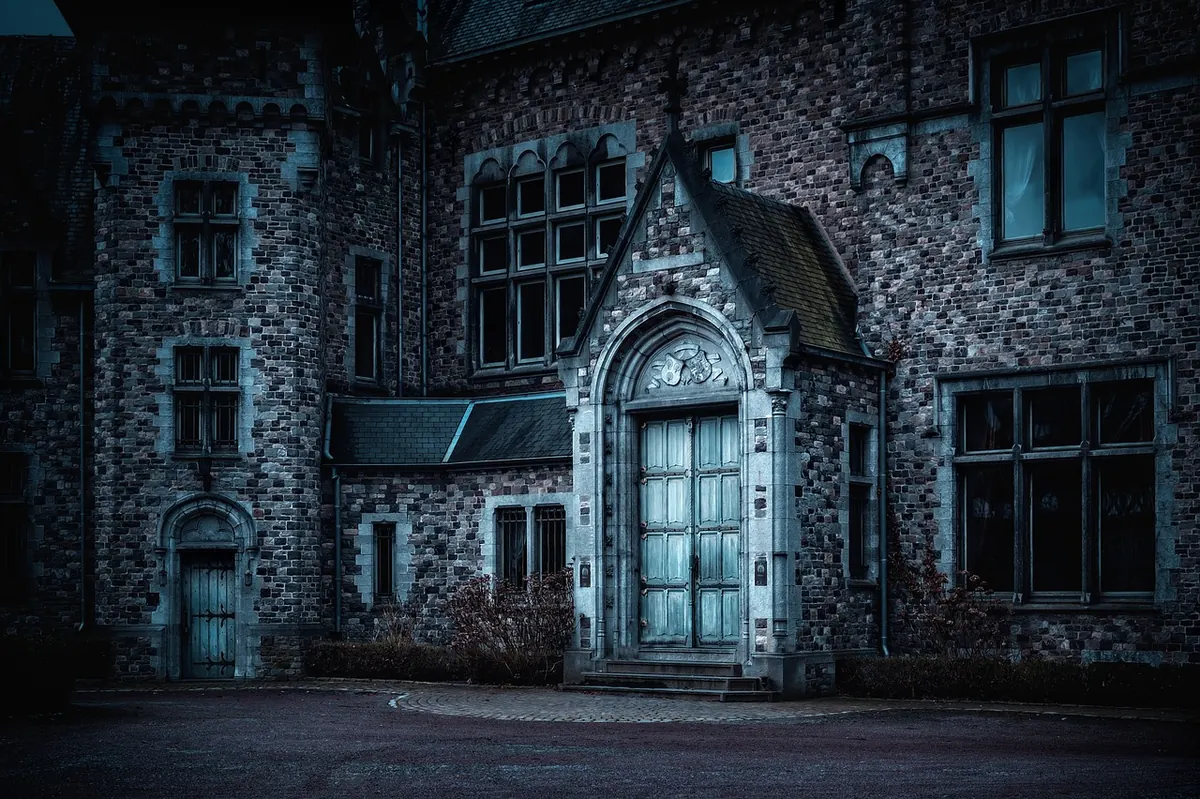
Photo: Tama66 / Pixabay